
Autism Research
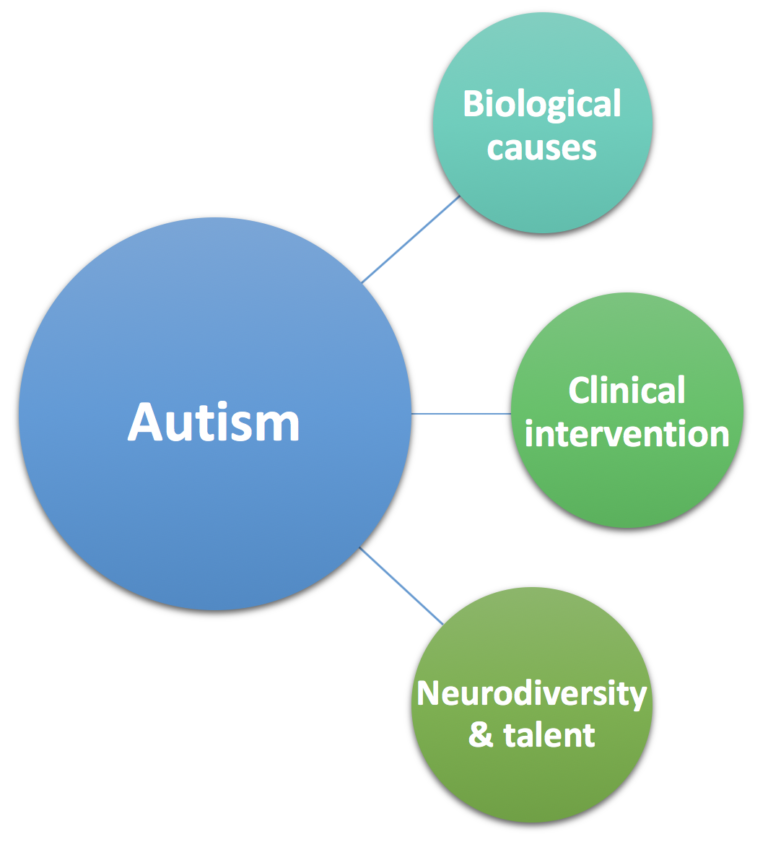
My research on autism is largely in collaboration with the Autism Research Centre at the University of Cambridge and focuses on the biomedical causes of autism, and interventions and assessment. It also focuses on neurodiversity and talent.
Research Projects:
- Understanding autistic traits and psychological sex differences through empathy-systemizing (E-S) and Extreme Male Brain (EMB) theories
- Morality and ideology in autism
- Personality traits in autism
- Psychometrics properties and developing short versions of the Empathy Quotient, Systemizing Quotient-Revised, and Sensory Perception Quotient
- See the music research page for research on music-based interventions and musical talent in autism
Why I study autism...
To give some background—one my first experiences with the autistic community was in a clinical setting more than 10 years ago as a counselor at New York University working with children with developmental conditions including ADHD and autism. My most meaningful experiences were those with autistic children ages 7 to 8. I was struct by two main things. One was their remarkable talents and abilities, particularly in science and the arts (including music), which was beyond the capacity of what I had seen in most adults. The other was more disheartening. It was clear that social situations were very hard for the autistic children. They had a sense of authenticity and pure innocence stood apart from the neurotypical children. As a counselor, it was difficult for me to witness the pain and suffering the autistic children experienced as a result of confusing social situations. I still hear one of the children’s voice screaming out to me in frustration, “why aren’t they (the other children) listening to me!”.
My heart broke daily in situations like these but I was also uplifted by the creativity and unique abilities that I saw in the autistic children. This led me to research autistic traits to understand both their talents and factors that contributed to suffering, in hopes of bringing understanding and providing better clinical societal support for autistic children and adults. We know that there are unusual high rates of depression and suicidality in autism and, as a clinician, scientist, and member of society, this is not an acceptable statistic especially for a group of individuals that have so much to offer this society and teach neurotypicals. As a researcher I came across the empathy-systemizing theory and extreme male brain theory in autism. The theories explained the two phenomenon that I experienced at NYU. It posited that autistic people have high levels of systemizing which contributes to their abilities and talents, and that these factors outweigh their theory of mind, or ‘cognitive empathy’. Cognitive empathy implies difficulty in predicting social behavior. For me I had found theories that helped understand my clinical experiences and provided promise.
Facts about autism:
- At least 1% of the world’s population is on the autism spectrum (70 million people worldwide)
- 50% of adults with autism have been abused by someone they thought was a friend
- 50% of autistic children report being bullied in school. 1 in 5 autistic children have been excluded from school
- 33% of autistic adults experience severe mental illness
- 12% of people who die by suicide are autistic
- Only 15% of autistic adults are in full-time employment despite having good intelligence and talents
- 50% of autistic adults report feeling lonely; 33% do not leave the house most days; 25% of autistic adults have not friends; 66% feel depressed because of loneliness
- 20% of people with autism have been stopped by the police; 66% of police officers have not received training about autism